
Crocs have become one of the most recognizable and talked-about shoes in the world. Known for their lightweight foam design, ventilation holes, and sometimes controversial appearance, these clogs have inspired both admiration and debate. Yet, despite their polarizing looks, Crocs continue to dominate the market because they provide unmatched comfort, versatility, and a sense of fun. From healthcare workers and travelers to fashion-forward celebrities and kids, Crocs have found a place in almost every lifestyle. This blog explores the origins, technology, cultural impact, and future of this iconic footwear brand.
1. The Humble Beginnings of Crocs
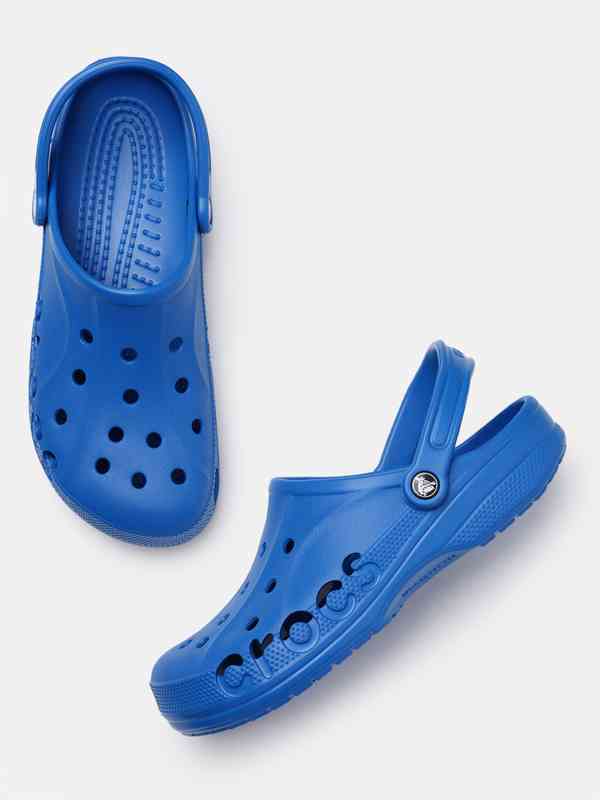
The story of Crocs began in 2002 when three friends—Scott Seamans, Lyndon Hanson, and George Boedecker Jr.—sought the perfect boating shoe. During a trip in the Caribbean, they discovered a unique foam material that was lightweight, durable, and water-resistant. This discovery led to the creation of the first Crocs model, called the “Beach” clog.
What made Crocs revolutionary was not only the material but also the design. Traditional boat shoes were often heavy and slippery, whereas Crocs offered traction, comfort, and quick-drying properties. The first batch sold out immediately, and it became clear that these clogs had the potential to appeal far beyond boating enthusiasts. From that point, Crocs began a journey that would transform casual footwear globally.
2. Croslite Technology: The Secret to Comfort
The foundation of every Crocs shoe is Croslite, a proprietary closed-cell resin foam that sets it apart from ordinary rubber or plastic footwear. This material molds slightly to the wearer’s foot, providing a cushioned, supportive feel. It is lightweight, odor-resistant, and easy to clean, making it ideal for various environments, from hospitals to beaches.
Additionally, the iconic ventilation holes aren’t just for style—they provide breathability, drainage for wet conditions, and a playful look that encourages customization. Over the years, Crocs have maintained this combination of comfort and functionality, proving that practicality doesn’t have to come at the expense of individuality.
3. From Practical Footwear to Cultural Phenomenon
Initially viewed purely as functional shoes, Crocs gradually entered the cultural spotlight. Celebrities, fashion designers, and influencers began embracing them, turning the once “ugly” shoe into a symbol of playful self-expression. Collaborations with designers and brands like Balenciaga, Post Malone, and Justin Bieber transformed Crocs into limited-edition collectible items.
Social media amplified this trend, as people shared photos of personalized Crocs decorated with Jibbitz charms. Fans could express hobbies, favorite characters, or personal messages through these small decorative pieces. This trend proved that even a simple clog could be a canvas for creativity, blending comfort with personal identity.
4. Crocs for Every Lifestyle
One of the reasons Crocs remain popular is their incredible versatility. Healthcare workers, chefs, and teachers appreciate them for their cushioning and slip-resistant properties, making long shifts more manageable. Parents love how easy they are to slip on and clean after a messy playground session, while travelers enjoy the lightweight design that fits into suitcases effortlessly.
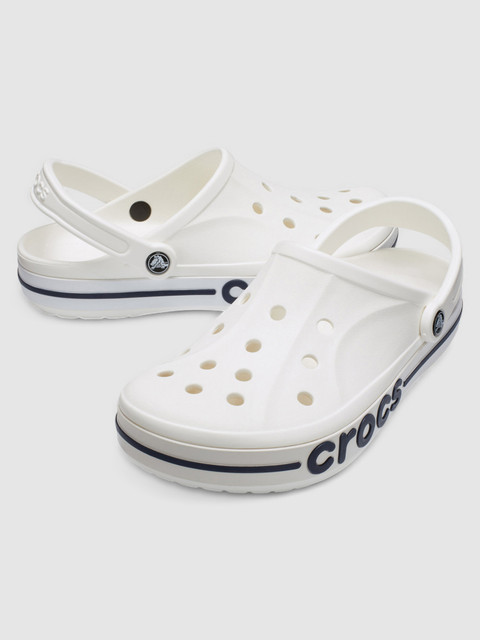
Over time, Crocs expanded its product line to include slides, sandals, sneakers, winter-lined clogs, and children’s collections featuring bright colors and licensed characters. This diversification ensures that Crocs can meet the needs of nearly every age group and lifestyle, all while maintaining the same signature comfort.
5. Sustainability and Social Responsibility
As a global brand producing millions of shoes annually, Crocs has recognized the importance of environmental responsibility. The company has introduced initiatives to reduce its carbon footprint, including experimenting with bio-based Croslite and implementing recycling programs. Packaging has been minimized, and Crocs emphasizes eco-conscious practices across its supply chain.
Beyond environmental efforts, Crocs also engages in social responsibility. They have donated shoes to communities in need, including frontline workers during crises. These initiatives align with the brand’s ethos of comfort, support, and positivity, reinforcing its reputation not just as a shoe company but as a socially aware organization.
6. The Future of Crocs
The journey of Crocs demonstrates resilience, adaptability, and creativity. The brand has successfully transitioned from a functional clog to a fashion-forward, culturally relevant icon. As consumer preferences evolve, Crocs continues to innovate with new styles, collaborations, and sustainable practices.
With growing trends in personalization, digital shopping, and environmental awareness, Crocs is well-positioned to maintain relevance. Limited-edition releases, seasonal collections, and interactive campaigns keep the brand exciting, while core models continue to attract loyal fans seeking reliable comfort. The future of Crocs appears as bright and bold as the shoes themselves.
Conclusion
Crocs have redefined what footwear can mean to people around the world. From humble beginnings as a boating shoe to becoming a cultural and fashion phenomenon, the brand demonstrates that comfort, practicality, and self-expression can coexist. With innovative Croslite technology, versatile designs, and a commitment to social and environmental responsibility, Crocs are more than just shoes—they are a lifestyle. Whether for work, play, or fashion, Crocs continue to prove that sometimes, the simplest ideas can create the most enduring impact.