
Dyson is a brand that changed the way the world thinks about household appliances. What was once a category filled with ordinary vacuum cleaners and basic fans became a playground for engineering, design, and bold ideas. Founded on the belief that everyday products can always be improved, Dyson introduced technologies that looked different and worked differently from anything before them. Today the company produces vacuums, air purifiers, hair-care tools, lighting, and more, all built around the same philosophy of problem solving. This blog explores the origins of Dyson, the science behind its products, and how it continues to shape modern living.
1. The Story of a Relentless Inventor
Dyson began with the frustration of one man, British inventor James Dyson. In the late 1970s, he grew tired of vacuum cleaners that quickly lost suction as their bags filled with dust. Determined to find a better solution, he experimented with cyclone technology used in industrial sawmills to separate particles from air. Over several years, he built more than five thousand prototypes in a small workshop, refusing to give up until the idea worked.
Traditional manufacturers were skeptical and rejected his design, so Dyson decided to create his own company. In 1993, the first Dyson vacuum cleaner launched in the United Kingdom and immediately attracted attention for its bagless system and futuristic appearance. The product proved that consumers were willing to invest in appliances that delivered real performance improvements. This spirit of persistence became the foundation of the entire brand.
2. Engineering at the Heart of Design
Unlike many companies that treat appearance as the main selling point, Dyson begins with engineering challenges. Teams of scientists and designers study airflow, motors, and materials to solve specific problems. The clear bins on Dyson vacuums are not only stylish; they demonstrate how the cyclone separates dust without losing power. Every curve and opening has a technical purpose.
The company invests heavily in research laboratories where thousands of tests are performed. Products are dropped, stretched, overheated, and exposed to years of simulated use before reaching customers. This obsession with detail explains why Dyson items often feel solid and precise. Design is not decoration but a visible expression of how the technology works. Consumers can see the innovation rather than hiding it inside a plastic shell.
3. Transforming Household Cleaning
Dyson is best known for changing the vacuum cleaner industry. The bag-less cyclone system eliminated the ongoing cost and inconvenience of replacement bags. Powerful digital motors created strong suction in lightweight bodies, allowing people to clean more effectively. Cordless models later freed users from tangled cables and made quick cleanups easier.
Beyond vacuums, Dyson introduced robotic cleaners, hard-floor tools, and specialized attachments for pet hair or tight spaces. Each release aimed to address common frustrations: heavy machines, clogged filters, or weak performance on carpets. Competitors eventually followed these ideas, but Dyson remained the reference point for high-end cleaning technology. The brand turned a routine chore into an experience driven by innovation.
4. Expanding Into Air Care and Well-Being
Dyson’s curiosity did not stop with floors. Engineers began exploring how airflow technology could improve the air people breathe indoors. This led to bladeless fans and heaters that used smooth streams of air rather than fast-spinning blades. Later, air purifiers were developed to capture allergens, pollutants, and odors using advanced filtration systems.
These products responded to growing concerns about urban pollution and allergies. Sensors measure air quality in real time, adjusting performance automatically. The sleek tower designs fit naturally into modern homes while serving a practical health purpose. By entering the air-care market, Dyson showed that its core expertise—moving and controlling air—could be applied far beyond vacuum cleaners.
5. Revolutionizing Personal Care
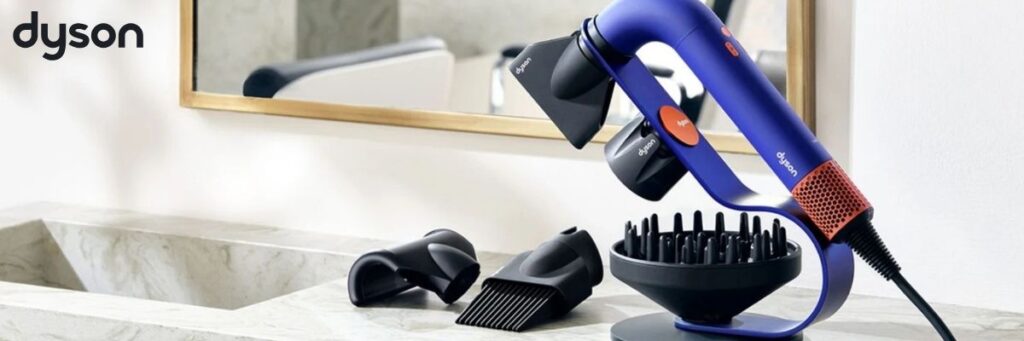
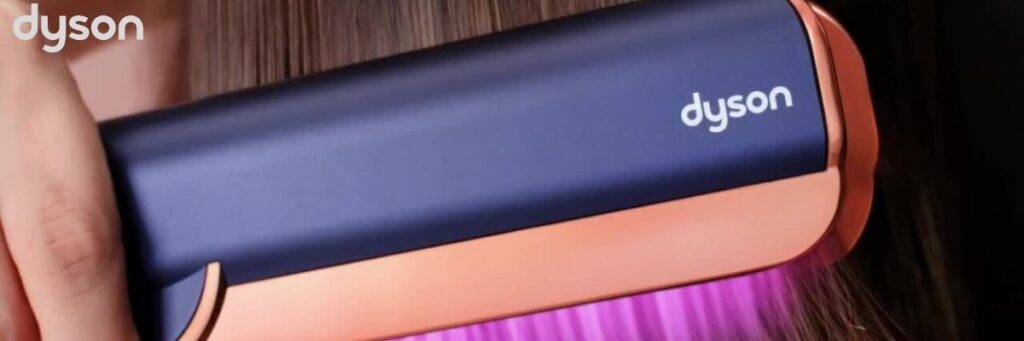
One of the most surprising chapters in Dyson’s history was its move into beauty technology. The Dyson Supersonic hair dryer introduced a small digital motor placed in the handle, reducing weight and noise. Intelligent heat control protected hair from extreme temperatures. The later Airwrap styler used airflow to curl and smooth hair without excessive heat, changing daily routines for millions.
These devices demonstrated that scientific thinking could improve even highly personal products. Dyson studied hair structure, salon habits, and user comfort before finalizing designs. The result was premium tools that looked more like laboratory instruments than traditional beauty gadgets. This expansion proved that the Dyson philosophy could succeed in entirely new categories.
6. Looking Toward a Smarter Future
Dyson continues to invest in robotics, artificial intelligence, and sustainable technologies. Research centers in the United Kingdom and Asia employ thousands of engineers working on next-generation batteries, motors, and materials. The company has announced plans to reduce environmental impact through energy-efficient products and longer-lasting components.
Challenges remain, including high prices and the need for easier repairs and recycling. However, Dyson’s history suggests a willingness to confront criticism and improve. As homes become more connected, future devices may communicate with each other to manage cleaning schedules and air quality automatically. The brand’s focus on invention positions it to play a major role in the smart homes of tomorrow.
Conclusion
Dyson’s journey proves that even the most ordinary objects can be reinvented with imagination and determination. From a single frustrated inventor to a global technology company, Dyson has changed expectations about what household appliances can achieve. Its products blend science, design, and everyday usefulness in ways that feel both practical and inspiring. Whether cleaning a living room, purifying the air, or styling hair, Dyson reminds us that innovation is not limited to computers and phones—it can also transform the tools we use every day.