
Etihad Airways stands as one of the most distinctive airlines in the world, representing the ambition and hospitality of the United Arab Emirates. Since its first flight in 2003, the carrier has grown from a young national airline into a global brand recognized for luxury, innovation, and cultural warmth. Flying to destinations across Europe, Asia, Africa, Australia, and the Americas, Etihad connects Abu Dhabi with the rest of the planet while showcasing the heritage of its home. This blog explores the journey of Etihad Airways, its onboard experience, and the vision that shapes its future.
1. The Rise of a National Carrier
Etihad Airways was established by royal decree in 2003 with the mission of becoming the flag carrier of the UAE. Unlike many older airlines with decades of legacy systems, Etihad had the advantage of starting fresh in the modern aviation era. The company invested immediately in new aircraft, international talent, and a service philosophy centered on Arabian hospitality.
The first commercial flight took place from Abu Dhabi to Beirut, and expansion followed at remarkable speed. Within a few years, Etihad was flying to major global cities and building partnerships with other airlines. The strategy was clear: combine world-class service with the geographic advantage of Abu Dhabi as a crossroads between East and West. This approach allowed Etihad to compete with long-established carriers and quickly earn international awards.
2. A Premium Onboard Experience
One of the hallmarks of Etihad Airways is its commitment to comfort in every cabin class. Economy passengers enjoy ergonomically designed seats, generous entertainment screens, and carefully crafted meals that reflect regional flavors. The airline focuses on creating a calm atmosphere, even for those traveling on budget fares.
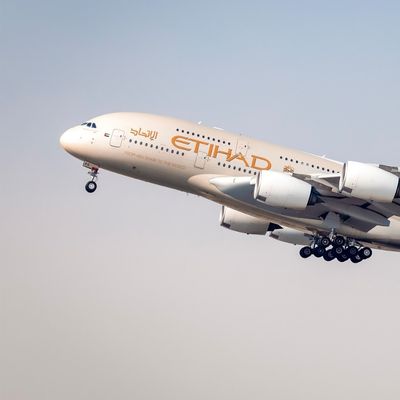
In Business and First Class, the experience becomes truly luxurious. Lie-flat beds, private suites, and personalized dining transform long flights into relaxing journeys. Etihad was among the first airlines to introduce “The Residence,” a three-room suite on the Airbus A380 featuring a living area, bedroom, and private bathroom. Such innovations positioned the airline as a benchmark for premium travel and influenced the entire industry.
3. Abu Dhabi: More Than a Hub
Etihad is deeply connected to its home city. Abu Dhabi International Airport serves not only as a transfer point but as a destination in its own right. The airline promotes stopover programs that encourage travelers to explore the emirate’s deserts, museums, and beaches before continuing their trips.
The partnership between the airline and local tourism authorities has helped transform Abu Dhabi into a global cultural center. Passengers flying with Etihad often receive hotel discounts, city tours, and visa assistance. This integration shows how an airline can support national development while offering added value to customers.
4. Technology and Innovation in the Sky
From its early days, Etihad invested heavily in technology. Advanced booking platforms, mobile apps, and biometric boarding systems aim to make the travel process smoother. Onboard, high-speed Wi-Fi and extensive entertainment libraries keep passengers connected and engaged during long flights.
The airline also experiments with artificial intelligence to personalize offers and improve operations. Predictive maintenance on aircraft reduces delays, while digital tools help crew members deliver tailored service. Etihad understands that modern travelers expect the same level of convenience in the air as they enjoy on the ground.
5. Commitment to Sustainability
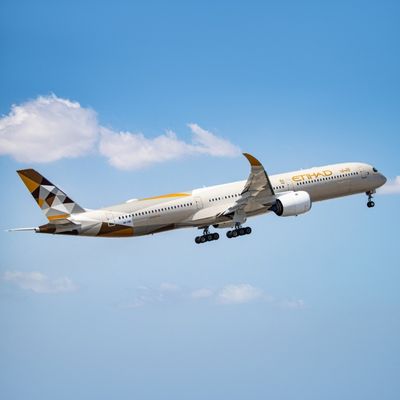
Aviation faces growing pressure to reduce environmental impact, and Etihad has placed sustainability at the center of its strategy. The carrier operates one of the youngest fleets in the world, using fuel-efficient aircraft such as the Boeing 787 Dreamliner and Airbus A350. These planes produce fewer emissions and less noise than older models.
Etihad launched the “Greenliner” program, turning a Dreamliner into a flying testbed for eco-friendly initiatives. Projects include reducing single-use plastics, optimizing flight routes, and experimenting with sustainable aviation fuels. The airline works with global partners to develop long-term solutions, acknowledging that responsible growth is essential for the future of travel.
6. Challenges and the Road Ahead
Like all airlines, Etihad has faced turbulence from economic shifts and the global pandemic. Travel restrictions forced the company to rethink networks and costs, yet it used the period to restructure and focus on core strengths. The result has been a leaner organization with renewed emphasis on customer experience and profitability.
Looking forward, Etihad plans to expand selectively while maintaining high service standards. New cabin products, enhanced loyalty programs, and deeper digital integration are on the agenda. The airline aims to balance luxury with accessibility, appealing both to premium travelers and to those seeking reliable connections through Abu Dhabi.
Conclusion
Etihad Airways represents the modern face of aviation in the Middle East—bold, innovative, and rooted in hospitality. In just two decades, the airline has built a reputation that older competitors took generations to achieve. By combining cultural pride with cutting-edge technology, Etihad continues to redefine what passengers can expect from air travel. As the industry evolves toward greener and smarter skies, Etihad is poised to remain a leading ambassador of the UAE and a favorite choice for travelers around the world.