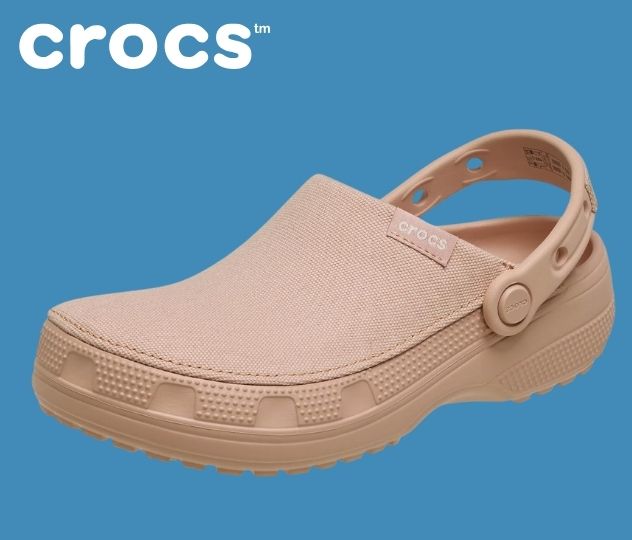
Home Blog Page 5

Title: Crocs: The Footwear Revolution That Blended Comfort and Style

0

Crocs have become one of the most recognizable and talked-about shoes in the world. Known for their lightweight foam design, ventilation holes, and sometimes controversial appearance, these clogs have inspired both admiration and debate. Yet, despite their polarizing looks, Crocs continue to dominate the market because they provide unmatched comfort, versatility, and a sense of fun. From healthcare workers and travelers to fashion-forward celebrities and kids, Crocs have found a place in almost every lifestyle. This blog explores the origins, technology, cultural impact, and future of this iconic footwear brand.


1. The Humble Beginnings of Crocs

The story of Crocs began in 2002 when three friends—Scott Seamans, Lyndon Hanson, and George Boedecker Jr.—sought the perfect boating shoe. During a trip in the Caribbean, they discovered a unique foam material that was lightweight, durable, and water-resistant. This discovery led to the creation of the first Crocs model, called the “Beach” clog.

What made Crocs revolutionary was not only the material but also the design. Traditional boat shoes were often heavy and slippery, whereas Crocs offered traction, comfort, and quick-drying properties. The first batch sold out immediately, and it became clear that these clogs had the potential to appeal far beyond boating enthusiasts. From that point, Crocs began a journey that would transform casual footwear globally.


2. Croslite Technology: The Secret to Comfort

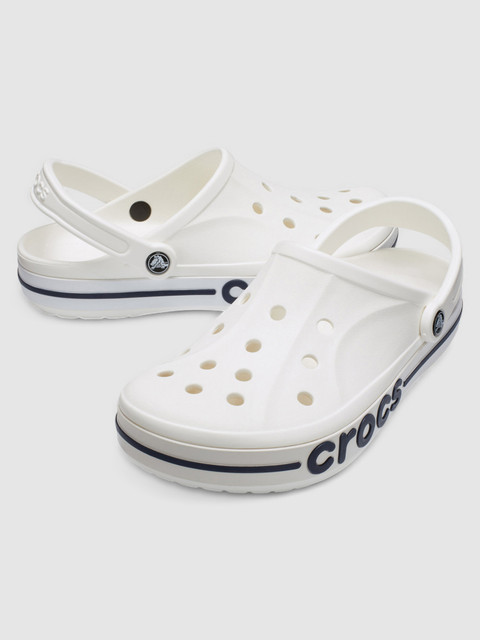
The foundation of every Crocs shoe is Croslite, a proprietary closed-cell resin foam that sets it apart from ordinary rubber or plastic footwear. This material molds slightly to the wearer’s foot, providing a cushioned, supportive feel. It is lightweight, odor-resistant, and easy to clean, making it ideal for various environments, from hospitals to beaches.

Additionally, the iconic ventilation holes aren’t just for style—they provide breathability, drainage for wet conditions, and a playful look that encourages customization. Over the years, Crocs have maintained this combination of comfort and functionality, proving that practicality doesn’t have to come at the expense of individuality.


3. From Practical Footwear to Cultural Phenomenon

Initially viewed purely as functional shoes, Crocs gradually entered the cultural spotlight. Celebrities, fashion designers, and influencers began embracing them, turning the once “ugly” shoe into a symbol of playful self-expression. Collaborations with designers and brands like Balenciaga, Post Malone, and Justin Bieber transformed Crocs into limited-edition collectible items.

Social media amplified this trend, as people shared photos of personalized Crocs decorated with Jibbitz charms. Fans could express hobbies, favorite characters, or personal messages through these small decorative pieces. This trend proved that even a simple clog could be a canvas for creativity, blending comfort with personal identity.


4. Crocs for Every Lifestyle

One of the reasons Crocs remain popular is their incredible versatility. Healthcare workers, chefs, and teachers appreciate them for their cushioning and slip-resistant properties, making long shifts more manageable. Parents love how easy they are to slip on and clean after a messy playground session, while travelers enjoy the lightweight design that fits into suitcases effortlessly.

Over time, Crocs expanded its product line to include slides, sandals, sneakers, winter-lined clogs, and children’s collections featuring bright colors and licensed characters. This diversification ensures that Crocs can meet the needs of nearly every age group and lifestyle, all while maintaining the same signature comfort.

5. Sustainability and Social Responsibility

As a global brand producing millions of shoes annually, Crocs has recognized the importance of environmental responsibility. The company has introduced initiatives to reduce its carbon footprint, including experimenting with bio-based Croslite and implementing recycling programs. Packaging has been minimized, and Crocs emphasizes eco-conscious practices across its supply chain.

Beyond environmental efforts, Crocs also engages in social responsibility. They have donated shoes to communities in need, including frontline workers during crises. These initiatives align with the brand’s ethos of comfort, support, and positivity, reinforcing its reputation not just as a shoe company but as a socially aware organization.


6. The Future of Crocs

The journey of Crocs demonstrates resilience, adaptability, and creativity. The brand has successfully transitioned from a functional clog to a fashion-forward, culturally relevant icon. As consumer preferences evolve, Crocs continues to innovate with new styles, collaborations, and sustainable practices.

With growing trends in personalization, digital shopping, and environmental awareness, Crocs is well-positioned to maintain relevance. Limited-edition releases, seasonal collections, and interactive campaigns keep the brand exciting, while core models continue to attract loyal fans seeking reliable comfort. The future of Crocs appears as bright and bold as the shoes themselves.


Conclusion

Crocs have redefined what footwear can mean to people around the world. From humble beginnings as a boating shoe to becoming a cultural and fashion phenomenon, the brand demonstrates that comfort, practicality, and self-expression can coexist. With innovative Croslite technology, versatile designs, and a commitment to social and environmental responsibility, Crocs are more than just shoes—they are a lifestyle. Whether for work, play, or fashion, Crocs continue to prove that sometimes, the simplest ideas can create the most enduring impact.


Etihad Airways: A Journey Where Hospitality Meets Innovation

0

Etihad Airways has become one of the most respected names in global aviation, representing the energy and ambition of the United Arab Emirates. From its base in Abu Dhabi, the airline connects travelers to hundreds of destinations and cultures, blending modern technology with traditional Arabian warmth. Unlike many carriers that rely only on low prices or large networks, Etihad built its reputation on experience—how passengers feel from the moment they book a ticket until they collect their bags. This blog explores the story of Etihad Airways, the features that define its service, and the direction the airline is taking in a rapidly changing travel world.


1. Building an Airline from a Vision

Etihad Airways was founded in 2003 with a clear national purpose: to create a world-class airline that would reflect the values of the UAE and support Abu Dhabi’s growth as an international hub. Starting an airline in the twenty-first century meant competing with giants that had been flying for decades. Instead of copying them, Etihad chose to design everything from scratch—new aircraft, new branding, and a new approach to hospitality.

The first flights connected Abu Dhabi with nearby Middle Eastern cities, but expansion came quickly. Within a few years, the airline reached Europe, Asia, Australia, and North America. Strategic partnerships with other carriers allowed Etihad to offer seamless connections beyond its own network. Awards for service quality soon followed, proving that a young airline could stand beside long-established names when it focused on excellence.


2. The Etihad Experience in the Air

Passengers often describe flying with Etihad as more than transportation. In Economy Class, the seats are designed with extra legroom and adjustable headrests, while meals draw inspiration from international and Emirati cuisine. Entertainment screens offer movies in many languages, helping travelers feel at home even on long journeys.

Business and First Class take the experience to another level. Lie-flat beds, restaurant-style dining, and attentive cabin crews create an atmosphere closer to a boutique hotel than an airplane. On selected aircraft, Etihad introduced private suites and even “The Residence,” a three-room space with a personal butler. These innovations changed expectations across the industry and showed how creativity could redefine luxury travel.


3. Abu Dhabi: The Heart of the Network

Etihad’s identity is inseparable from its home city. Abu Dhabi is not only a transfer point but a cultural destination with museums, deserts, and modern architecture. The airline actively encourages stopovers, allowing passengers to explore the emirate without complicated visa procedures.

Lounges at Abu Dhabi International Airport reflect local design with contemporary elegance. Travelers can enjoy Arabic coffee, regional dishes, and quiet relaxation areas between flights. By promoting tourism and business in the capital, Etihad plays a key role in the broader development strategy of the UAE, turning air travel into a bridge for cultural exchange.


4. Digital Innovation and Smart Travel

Modern passengers expect technology to simplify every step of their trip, and Etihad invests heavily in digital solutions. The mobile app allows booking, seat selection, and real-time updates. Biometric boarding gates and self-service kiosks reduce waiting times at airports.

Onboard connectivity keeps travelers productive or entertained with Wi-Fi and streaming services. Behind the scenes, advanced data systems help the airline predict maintenance needs, manage fuel efficiency, and personalize offers. These tools make operations smoother while giving customers a sense of control over their journey.


5. Responsibility Toward the Environment

Aviation faces increasing responsibility to protect the planet, and Etihad has made sustainability a central priority. The airline operates one of the youngest fleets worldwide, choosing aircraft that consume less fuel and produce fewer emissions. Programs such as the “Greenliner” initiative test new methods to reduce waste, optimize flight paths, and introduce sustainable aviation fuels.

Etihad has also removed many single-use plastics from cabins and works with catering partners to limit food waste. Transparency about environmental goals builds trust with passengers who want to travel responsibly. The airline understands that future success depends on balancing growth with respect for nature.


6. Adapting to a Changing World

The global pandemic challenged every airline, and Etihad was no exception. Flights were suspended, and travel rules changed constantly. Instead of standing still, the company restructured its network, introduced flexible booking policies, and implemented rigorous health measures. These steps helped restore confidence among travelers.

Looking ahead, Etihad plans measured expansion rather than uncontrolled growth. New routes are selected carefully, and partnerships are strengthened to offer wider choices. The focus remains on quality service, digital convenience, and sustainable operations. By learning from recent challenges, Etihad aims to build a resilient future.


Conclusion

Etihad Airways has achieved in two decades what many airlines took generations to accomplish. It combined the spirit of Arabian hospitality with bold engineering and imaginative design, creating a distinctive place in global aviation. For passengers, flying with Etihad often feels like the beginning of the adventure rather than just a means to reach it. As technology evolves and environmental awareness grows, the airline continues to adapt while staying true to its original vision: connecting the world through Abu Dhabi with comfort, respect, and innovation.

Etihad Airways: Redefining Modern Air Travel

0

Etihad Airways stands as one of the most distinctive airlines in the world, representing the ambition and hospitality of the United Arab Emirates. Since its first flight in 2003, the carrier has grown from a young national airline into a global brand recognized for luxury, innovation, and cultural warmth. Flying to destinations across Europe, Asia, Africa, Australia, and the Americas, Etihad connects Abu Dhabi with the rest of the planet while showcasing the heritage of its home. This blog explores the journey of Etihad Airways, its onboard experience, and the vision that shapes its future.


1. The Rise of a National Carrier

Etihad Airways was established by royal decree in 2003 with the mission of becoming the flag carrier of the UAE. Unlike many older airlines with decades of legacy systems, Etihad had the advantage of starting fresh in the modern aviation era. The company invested immediately in new aircraft, international talent, and a service philosophy centered on Arabian hospitality.

The first commercial flight took place from Abu Dhabi to Beirut, and expansion followed at remarkable speed. Within a few years, Etihad was flying to major global cities and building partnerships with other airlines. The strategy was clear: combine world-class service with the geographic advantage of Abu Dhabi as a crossroads between East and West. This approach allowed Etihad to compete with long-established carriers and quickly earn international awards.


2. A Premium Onboard Experience

One of the hallmarks of Etihad Airways is its commitment to comfort in every cabin class. Economy passengers enjoy ergonomically designed seats, generous entertainment screens, and carefully crafted meals that reflect regional flavors. The airline focuses on creating a calm atmosphere, even for those traveling on budget fares.

In Business and First Class, the experience becomes truly luxurious. Lie-flat beds, private suites, and personalized dining transform long flights into relaxing journeys. Etihad was among the first airlines to introduce “The Residence,” a three-room suite on the Airbus A380 featuring a living area, bedroom, and private bathroom. Such innovations positioned the airline as a benchmark for premium travel and influenced the entire industry.


3. Abu Dhabi: More Than a Hub

Etihad is deeply connected to its home city. Abu Dhabi International Airport serves not only as a transfer point but as a destination in its own right. The airline promotes stopover programs that encourage travelers to explore the emirate’s deserts, museums, and beaches before continuing their trips.

The partnership between the airline and local tourism authorities has helped transform Abu Dhabi into a global cultural center. Passengers flying with Etihad often receive hotel discounts, city tours, and visa assistance. This integration shows how an airline can support national development while offering added value to customers.


4. Technology and Innovation in the Sky

From its early days, Etihad invested heavily in technology. Advanced booking platforms, mobile apps, and biometric boarding systems aim to make the travel process smoother. Onboard, high-speed Wi-Fi and extensive entertainment libraries keep passengers connected and engaged during long flights.

The airline also experiments with artificial intelligence to personalize offers and improve operations. Predictive maintenance on aircraft reduces delays, while digital tools help crew members deliver tailored service. Etihad understands that modern travelers expect the same level of convenience in the air as they enjoy on the ground.


5. Commitment to Sustainability

Aviation faces growing pressure to reduce environmental impact, and Etihad has placed sustainability at the center of its strategy. The carrier operates one of the youngest fleets in the world, using fuel-efficient aircraft such as the Boeing 787 Dreamliner and Airbus A350. These planes produce fewer emissions and less noise than older models.

Etihad launched the “Greenliner” program, turning a Dreamliner into a flying testbed for eco-friendly initiatives. Projects include reducing single-use plastics, optimizing flight routes, and experimenting with sustainable aviation fuels. The airline works with global partners to develop long-term solutions, acknowledging that responsible growth is essential for the future of travel.


6. Challenges and the Road Ahead

Like all airlines, Etihad has faced turbulence from economic shifts and the global pandemic. Travel restrictions forced the company to rethink networks and costs, yet it used the period to restructure and focus on core strengths. The result has been a leaner organization with renewed emphasis on customer experience and profitability.

Looking forward, Etihad plans to expand selectively while maintaining high service standards. New cabin products, enhanced loyalty programs, and deeper digital integration are on the agenda. The airline aims to balance luxury with accessibility, appealing both to premium travelers and to those seeking reliable connections through Abu Dhabi.


Conclusion

Etihad Airways represents the modern face of aviation in the Middle East—bold, innovative, and rooted in hospitality. In just two decades, the airline has built a reputation that older competitors took generations to achieve. By combining cultural pride with cutting-edge technology, Etihad continues to redefine what passengers can expect from air travel. As the industry evolves toward greener and smarter skies, Etihad is poised to remain a leading ambassador of the UAE and a favorite choice for travelers around the world.

Toysrus: magia, aprendizaje y futuro del juguete para nuevas generaciones

0

1. La historia de Toysrus: del pequeño comercio al gigante mundial

Toysrus nació como un sueño sencillo: crear un lugar donde los niños pudieran encontrar todos los juguetes imaginables. La empresa fue fundada en 1948 por Charles Lazarus en Estados Unidos, inicialmente como una tienda de muebles infantiles. Con el paso de los años, Lazarus comprendió que el verdadero corazón del negocio estaba en los juguetes, productos que despertaban ilusión y acompañaban el crecimiento de millones de pequeños. Así comenzó la transformación hacia la marca que hoy todos reconocemos.

Durante las décadas siguientes, Toysrus se expandió por todo el mundo y se convirtió en un referente del sector. Sus tiendas, de gran tamaño y llenas de colores, ofrecían una experiencia única: pasillos interminables, demostraciones de productos y la posibilidad de probar muchos de ellos antes de comprarlos. Para varias generaciones, visitar Toysrus era casi como entrar en un parque temático dedicado al juego.

A pesar de los cambios del mercado y de la llegada del comercio electrónico, la marca ha sabido reinventarse. Hoy combina la tradición con la innovación digital para seguir siendo un punto de encuentro entre familias, niños y fabricantes de juguetes.


2. Un universo de juguetes para todas las edades

Uno de los grandes atractivos de Toysrus es la enorme variedad de productos que ofrece. Desde sonajeros para bebés hasta videojuegos para adolescentes, la tienda cubre todas las etapas del desarrollo infantil. Las familias pueden encontrar muñecas, coches, juegos de mesa, construcciones, peluches y artículos educativos en un solo lugar.

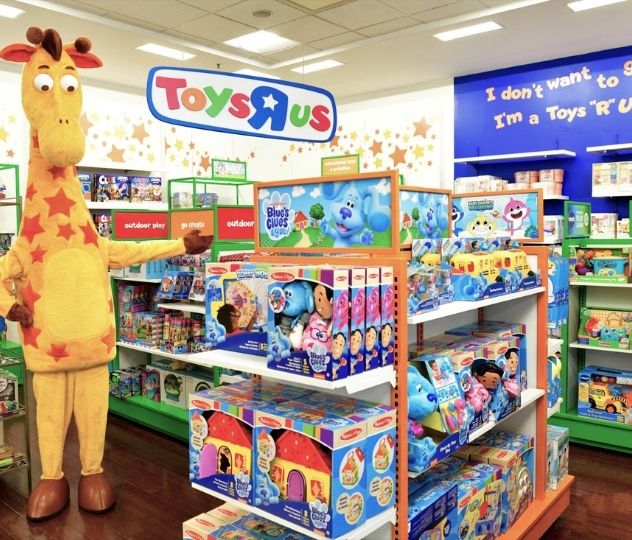
La organización por categorías facilita la búsqueda. Los padres que desean estimular la creatividad pueden dirigirse a la sección de manualidades; quienes buscan fomentar la actividad física encontrarán bicicletas, patinetes y balones. Además, Toysrus trabaja con las marcas más reconocidas del mundo del juguete, como LEGO, Barbie, Hot Wheels o Playmobil, lo que garantiza calidad y seguridad.

También destaca la atención a las tendencias. Cada año aparecen nuevas películas, series y personajes que conquistan a los niños, y Toysrus se adapta rápidamente para ofrecer productos relacionados. De esta manera, la tienda se mantiene actual y cercana a los intereses reales de su público.


3. El valor educativo del juego

Toysrus no es solo un espacio comercial; es también un aliado del aprendizaje. Numerosos expertos coinciden en que el juego es fundamental para el desarrollo emocional, social e intelectual de los niños. A través de los juguetes, los pequeños aprenden a resolver problemas, a compartir, a expresarse y a comprender el mundo que los rodea.

Consciente de ello, la empresa dedica una parte importante de su catálogo a los llamados juguetes educativos. Puzles, kits de ciencia, juegos de construcción o instrumentos musicales ayudan a desarrollar habilidades como la lógica, la coordinación o la creatividad. Muchos de estos productos están diseñados con la colaboración de pedagogos y especialistas.

Además, Toysrus ofrece guías y recomendaciones para que los padres elijan el juguete más adecuado según la edad y los intereses de cada niño. No se trata solo de vender, sino de acompañar a las familias en una tarea tan importante como la educación a través del ocio.


4. Experiencia en tienda: mucho más que comprar

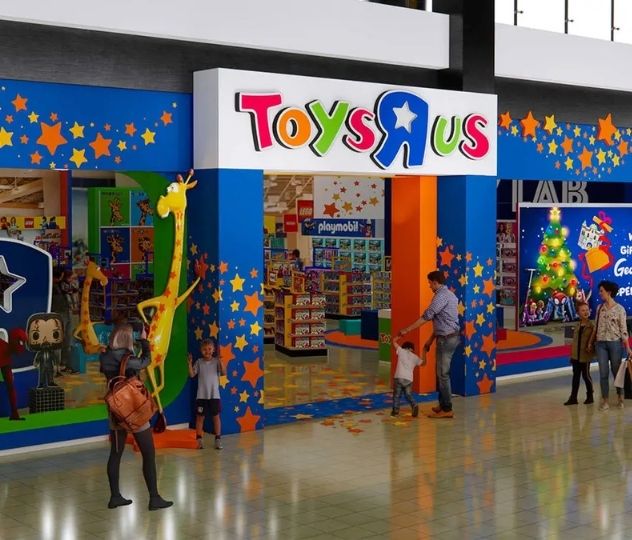
Visitar una tienda Toysrus es una experiencia que va más allá de adquirir un producto. Los establecimientos están pensados para que los niños disfruten desde el primer momento. Colores vivos, música, zonas de prueba y eventos especiales crean un ambiente festivo que invita a recorrer cada rincón.

En fechas señaladas como Navidad o el Día del Niño, las tiendas organizan actividades, visitas de personajes y demostraciones de juguetes. Estos eventos refuerzan el vínculo emocional con la marca y convierten la compra en un recuerdo familiar. Muchos adultos de hoy conservan en su memoria aquellas excursiones a Toysrus con la misma ilusión que sentían de pequeños.

El personal también juega un papel clave. Los empleados suelen estar formados para orientar a los clientes, explicar el funcionamiento de los productos y recomendar opciones según el presupuesto. Este trato cercano es uno de los elementos que diferencian a Toysrus frente a otras formas de compra más impersonales.


5. Toysrus en la era digital

Como todas las grandes compañías, Toysrus ha tenido que adaptarse al crecimiento de Internet. El comercio electrónico cambió los hábitos de consumo y la empresa respondió creando plataformas online donde es posible explorar el catálogo completo, comparar precios y recibir los pedidos en casa.

La web y la aplicación móvil permiten además consultar opiniones de otros usuarios, listas de deseos y promociones exclusivas. Muchos clientes combinan ambos mundos: investigan en línea y luego visitan la tienda física para ver el juguete de cerca. Esta estrategia omnicanal ha sido fundamental para mantener la relevancia de la marca.

Las redes sociales también se han convertido en un canal de comunicación con las familias. A través de ellas, Toysrus comparte novedades, ideas de regalos y consejos para padres, construyendo una comunidad que va más allá de la simple transacción comercial.


6. Compromiso con la seguridad y la responsabilidad social

El sector del juguete exige altos estándares de seguridad, y Toysrus ha hecho de este aspecto una prioridad. Todos los productos pasan controles de calidad y cumplen con las normativas europeas e internacionales. La información sobre edades recomendadas y advertencias se muestra de forma clara para que los padres puedan comprar con tranquilidad.

La empresa también participa en iniciativas solidarias. En diferentes países colabora con hospitales, fundaciones y campañas de donación para que ningún niño se quede sin juguetes en fechas especiales. Estas acciones refuerzan la idea de que el juego es un derecho y no un lujo.

En los últimos años, Toysrus ha mostrado además preocupación por el medio ambiente. Se promueven juguetes fabricados con materiales sostenibles y se reducen los plásticos en los embalajes. De esta manera, la compañía intenta contribuir a un futuro mejor para las mismas generaciones que hoy disfrutan de sus productos.


Conclusión

Toysrus ha acompañado la infancia de millones de personas y sigue siendo un símbolo de ilusión. Su capacidad para unir tradición y modernidad le permite mantenerse vigente en un mundo que cambia rápidamente. Más que una tienda, es un espacio donde el juego se convierte en aprendizaje, donde las familias comparten momentos y donde la imaginación no tiene límites.

Mientras existan niños con ganas de soñar, habrá un lugar para Toysrus. La marca continúa evolucionando para responder a nuevos desafíos, pero su esencia permanece: ofrecer felicidad en forma de juguetes y recordar a todos que, sin importar la edad, siempre necesitamos un poco de magia en nuestras vidas.

Omio: Reisen in Europa einfach, schnell und digital planen

0

Omio hat sich in wenigen Jahren zu einer der bekanntesten Plattformen für Reisebuchungen in Europa entwickelt. Was früher mühsam über verschiedene Webseiten, Sprachen und Währungen organisiert werden musste, lässt sich heute in einer einzigen App erledigen. Ob Zug, Bus, Flug oder Fähre – Omio bündelt unzählige Anbieter und zeigt übersichtlich die besten Verbindungen. Besonders für Reisende, die mehrere Länder in einer Tour besuchen möchten, ist diese Vereinfachung ein großer Gewinn. Der folgende Blog beleuchtet, wie Omio entstanden ist, welche Funktionen die Plattform bietet und warum sie das Reisen für Millionen Menschen leichter macht.


1. Die Entstehung einer Idee

Die Geschichte von Omio begann 2013 in Berlin. Gründer Naren Shaam war frustriert darüber, wie kompliziert es war, innerhalb Europas verschiedene Verkehrsmittel zu vergleichen. Jede Bahn- oder Busgesellschaft hatte eigene Systeme, Preise und Sprachen. Shaam wollte eine Lösung schaffen, die ähnlich einfach funktioniert wie bekannte Flugportale, aber alle Transportarten einschließt. Aus dieser Vision entstand zunächst das Start-up „GoEuro“, das später in Omio umbenannt wurde.

Von Anfang an stand der Nutzer im Mittelpunkt. Die Entwickler sammelten Daten von hunderten Verkehrsunternehmen und bauten eine Suchmaschine, die Routen länderübergreifend berechnet. Schon früh kooperierte Omio mit großen Partnern wie der Deutschen Bahn, SNCF, Trenitalia oder FlixBus. Dadurch wuchs das Angebot schnell, und die Plattform wurde zu einem zentralen Eingangstor für europäische Mobilität.


2. Eine Plattform für alle Verkehrsmittel

Der größte Vorteil von Omio ist die Möglichkeit, verschiedene Reisearten direkt miteinander zu vergleichen. Gibt man beispielsweise die Strecke von München nach Rom ein, zeigt die Plattform gleichzeitig Zugverbindungen, Busse und Flüge an – inklusive Dauer, Preis und Umsteigeoptionen. Reisende müssen nicht mehr zwischen zahlreichen Webseiten wechseln, sondern erhalten alle Informationen auf einen Blick.

Auch Kombinationen sind möglich. Wer etwa mit dem Zug in eine andere Stadt fahren und von dort fliegen möchte, kann beide Tickets in einem Vorgang buchen. Für Backpacker und Städtetouristen, die flexibel bleiben wollen, ist das besonders hilfreich. Omio verwandelt die komplexe europäische Verkehrslandschaft in ein übersichtliches Netz, das sich intuitiv bedienen lässt.


3. Benutzerfreundlichkeit im Alltag

Die App und Webseite von Omio sind bewusst schlicht gestaltet. Nach Eingabe von Start- und Zielort erscheinen Filter für Abfahrtszeiten, Preisgrenzen oder bevorzugte Anbieter. Tickets können digital gespeichert werden, sodass kein Ausdrucken nötig ist. Viele Bahnen und Busse akzeptieren den QR-Code direkt auf dem Smartphone, was Stress am Bahnhof erspart.

Ein weiterer Pluspunkt ist die Mehrsprachigkeit. Omio unterstützt zahlreiche Sprachen und Währungen, wodurch auch internationale Gäste problemlos buchen können. Push-Benachrichtigungen informieren über Gleisänderungen oder Verspätungen, sofern der jeweilige Anbieter diese Daten liefert. Für Vielreisende wird die Plattform damit zu einem persönlichen Reiseassistenten.


4. Transparente Preise und faire Vergleiche

Reisekosten sind oft schwer einzuschätzen, besonders wenn unterschiedliche Unternehmen beteiligt sind. Omio schafft Transparenz, indem alle verfügbaren Tarife nebeneinandergestellt werden. Nutzer sehen sofort, welche Option am günstigsten oder am schnellsten ist. Zusätzliche Gebühren werden klar ausgewiesen, sodass böse Überraschungen vermieden werden.

Die Plattform arbeitet mit offiziellen Partnern zusammen und verkauft Originaltickets. Dadurch gelten dieselben Stornierungs- und Umbuchungsbedingungen wie beim Anbieter selbst. Für Kunden entsteht Vertrauen, weil sie nicht über Zwischenhändler mit unklaren Regeln buchen. Omio verdient vor allem durch Provisionen der Verkehrsgesellschaften, ohne die Preise künstlich zu erhöhen.


5. Nachhaltiger reisen mit Omio

In Zeiten des Klimawandels gewinnt umweltfreundliche Mobilität an Bedeutung. Omio fördert nachhaltiges Reisen, indem es Zug- und Busverbindungen sichtbar macht, die oft eine bessere CO₂-Bilanz haben als Kurzstreckenflüge. Bei vielen Routen zeigt die Plattform bereits Hinweise zur Umweltverträglichkeit an und motiviert Nutzer, bewusste Entscheidungen zu treffen.

Gerade in Europa ist das Bahnnetz hervorragend ausgebaut. Omio hilft dabei, diese Möglichkeiten zu entdecken, auch wenn man die Sprache des jeweiligen Landes nicht spricht. Wer von Paris nach Barcelona oder von Wien nach Budapest reisen möchte, findet mühelos passende Alternativen zum Flugzeug. So trägt die Plattform indirekt zu einem grüneren Tourismus bei.


6. Zukunft des digitalen Reisens

Die Reisebranche verändert sich rasant, und Omio entwickelt sich ständig weiter. Neue Funktionen wie personalisierte Empfehlungen, integrierte Sitzplatzreservierungen oder zusätzliche Fähranbieter erweitern das Angebot. Auch die Zusammenarbeit mit regionalen Verkehrsverbünden wächst, sodass selbst kurze Strecken innerhalb von Städten besser abgebildet werden.

Langfristig könnte Omio zu einer umfassenden Mobilitätsplattform werden, die auch Carsharing, Mietwagen oder lokale Tickets integriert. Ziel bleibt, Reisen so einfach zu machen wie das Bestellen eines Produkts im Internet. Mit moderner Technologie und starken Partnerschaften hat Omio gute Chancen, diese Vision zu verwirklichen.


Fazit

Omio hat das Reisen innerhalb Europas spürbar vereinfacht. Die Plattform verbindet Züge, Busse, Flüge und Fähren zu einem übersichtlichen System, das Zeit, Geld und Nerven spart. Besonders für Menschen, die mehrere Länder besuchen oder spontan unterwegs sind, bietet Omio eine wertvolle Orientierung. Durch transparente Preise, digitale Tickets und einen Fokus auf nachhaltige Optionen wird Mobilität moderner und zugänglicher. In einer Welt, in der Flexibilität immer wichtiger wird, ist Omio ein verlässlicher Begleiter auf dem Weg durch Europa.

Dyson: Reinventing Everyday Technology Through Innovation

0

Dyson is a brand that changed the way the world thinks about household appliances. What was once a category filled with ordinary vacuum cleaners and basic fans became a playground for engineering, design, and bold ideas. Founded on the belief that everyday products can always be improved, Dyson introduced technologies that looked different and worked differently from anything before them. Today the company produces vacuums, air purifiers, hair-care tools, lighting, and more, all built around the same philosophy of problem solving. This blog explores the origins of Dyson, the science behind its products, and how it continues to shape modern living.


1. The Story of a Relentless Inventor

Dyson began with the frustration of one man, British inventor James Dyson. In the late 1970s, he grew tired of vacuum cleaners that quickly lost suction as their bags filled with dust. Determined to find a better solution, he experimented with cyclone technology used in industrial sawmills to separate particles from air. Over several years, he built more than five thousand prototypes in a small workshop, refusing to give up until the idea worked.

Traditional manufacturers were skeptical and rejected his design, so Dyson decided to create his own company. In 1993, the first Dyson vacuum cleaner launched in the United Kingdom and immediately attracted attention for its bagless system and futuristic appearance. The product proved that consumers were willing to invest in appliances that delivered real performance improvements. This spirit of persistence became the foundation of the entire brand.


2. Engineering at the Heart of Design

Unlike many companies that treat appearance as the main selling point, Dyson begins with engineering challenges. Teams of scientists and designers study airflow, motors, and materials to solve specific problems. The clear bins on Dyson vacuums are not only stylish; they demonstrate how the cyclone separates dust without losing power. Every curve and opening has a technical purpose.

The company invests heavily in research laboratories where thousands of tests are performed. Products are dropped, stretched, overheated, and exposed to years of simulated use before reaching customers. This obsession with detail explains why Dyson items often feel solid and precise. Design is not decoration but a visible expression of how the technology works. Consumers can see the innovation rather than hiding it inside a plastic shell.


3. Transforming Household Cleaning

Dyson is best known for changing the vacuum cleaner industry. The bag-less cyclone system eliminated the ongoing cost and inconvenience of replacement bags. Powerful digital motors created strong suction in lightweight bodies, allowing people to clean more effectively. Cordless models later freed users from tangled cables and made quick cleanups easier.

Beyond vacuums, Dyson introduced robotic cleaners, hard-floor tools, and specialized attachments for pet hair or tight spaces. Each release aimed to address common frustrations: heavy machines, clogged filters, or weak performance on carpets. Competitors eventually followed these ideas, but Dyson remained the reference point for high-end cleaning technology. The brand turned a routine chore into an experience driven by innovation.


4. Expanding Into Air Care and Well-Being

Dyson’s curiosity did not stop with floors. Engineers began exploring how airflow technology could improve the air people breathe indoors. This led to bladeless fans and heaters that used smooth streams of air rather than fast-spinning blades. Later, air purifiers were developed to capture allergens, pollutants, and odors using advanced filtration systems.

These products responded to growing concerns about urban pollution and allergies. Sensors measure air quality in real time, adjusting performance automatically. The sleek tower designs fit naturally into modern homes while serving a practical health purpose. By entering the air-care market, Dyson showed that its core expertise—moving and controlling air—could be applied far beyond vacuum cleaners.


5. Revolutionizing Personal Care

One of the most surprising chapters in Dyson’s history was its move into beauty technology. The Dyson Supersonic hair dryer introduced a small digital motor placed in the handle, reducing weight and noise. Intelligent heat control protected hair from extreme temperatures. The later Airwrap styler used airflow to curl and smooth hair without excessive heat, changing daily routines for millions.

These devices demonstrated that scientific thinking could improve even highly personal products. Dyson studied hair structure, salon habits, and user comfort before finalizing designs. The result was premium tools that looked more like laboratory instruments than traditional beauty gadgets. This expansion proved that the Dyson philosophy could succeed in entirely new categories.


6. Looking Toward a Smarter Future

Dyson continues to invest in robotics, artificial intelligence, and sustainable technologies. Research centers in the United Kingdom and Asia employ thousands of engineers working on next-generation batteries, motors, and materials. The company has announced plans to reduce environmental impact through energy-efficient products and longer-lasting components.

Challenges remain, including high prices and the need for easier repairs and recycling. However, Dyson’s history suggests a willingness to confront criticism and improve. As homes become more connected, future devices may communicate with each other to manage cleaning schedules and air quality automatically. The brand’s focus on invention positions it to play a major role in the smart homes of tomorrow.


Conclusion

Dyson’s journey proves that even the most ordinary objects can be reinvented with imagination and determination. From a single frustrated inventor to a global technology company, Dyson has changed expectations about what household appliances can achieve. Its products blend science, design, and everyday usefulness in ways that feel both practical and inspiring. Whether cleaning a living room, purifying the air, or styling hair, Dyson reminds us that innovation is not limited to computers and phones—it can also transform the tools we use every day.

Reef: Walking the Line Between the Ocean and Everyday Life

0

Reef is a brand that grew out of the rhythm of the sea. Known worldwide for its sandals and beach-inspired footwear, Reef represents more than casual style; it reflects a way of living that values comfort, adventure, and respect for the coastline. From surfers searching for the perfect flip-flop to travelers wanting lightweight shoes for warm destinations, Reef has become a trusted companion. The company’s journey shows how a simple product can carry the spirit of an entire culture. This blog explores the origins of Reef, its design philosophy, and the reasons it continues to connect with people who love the ocean and an easygoing lifestyle.


1. Beginnings Shaped by Surf Culture

Reef was founded in the 1980s by two Argentine brothers, Fernando and Santiago Aguerre, who moved to California with a dream of creating better sandals for surfers. At the time, many flip-flops were poorly made and uncomfortable for long walks on hot beaches. The brothers believed that footwear could combine durability with the relaxed attitude of surf culture. They began experimenting with materials that could handle saltwater, sand, and constant use.

The early years were filled with hands-on testing. Surfers tried the sandals after sessions in the waves, giving honest feedback about straps, soles, and grip. This close relationship with the surfing community helped Reef build credibility. The brand quickly became associated with beach towns from San Diego to Hawaii, and its logo started appearing in surf shops around the world. What began as a practical solution slowly turned into a global lifestyle movement.


2. Design Inspired by the Coast

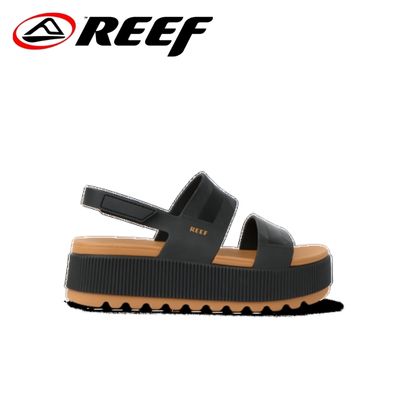
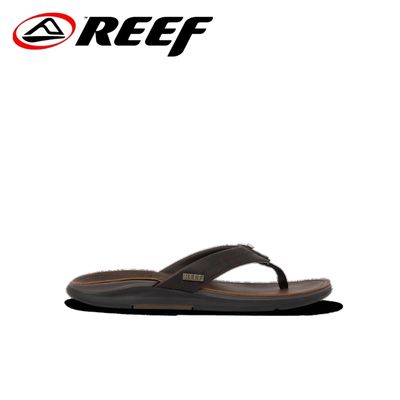
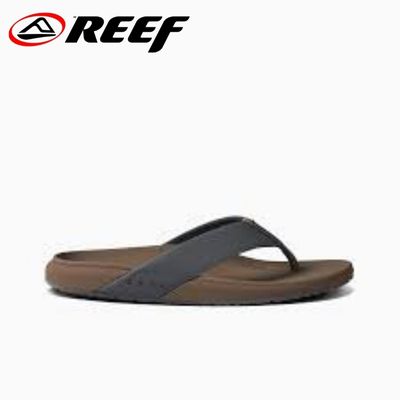
Reef products are created with the ocean environment in mind. Sandals feature cushioned footbeds that mold to the shape of the foot, providing comfort for long days of walking along boardwalks or exploring new cities. Water-friendly materials resist damage from salt and sun, while textured soles offer grip on wet surfaces. Every detail is meant to make life near the water easier.

Aesthetically, Reef embraces natural colors and relaxed shapes. Many designs echo the tones of beaches—sun-bleached whites, deep blues, and warm sandy browns. The brand avoids unnecessary decoration, focusing instead on clean lines and functional features. This simplicity allows the footwear to pair easily with swimwear, shorts, or casual summer dresses. Reef style is less about following fashion rules and more about capturing the feeling of being on vacation.


3. More Than Flip-Flops: Expanding the Collection

Although Reef is best known for sandals, the company gradually expanded into other types of footwear and apparel. Casual shoes, sneakers, and slip-ons were introduced for customers who wanted the same comfort when the weather cooled. Men’s and women’s collections now include options suitable for light hikes, travel days, and everyday errands.

Accessories such as hats, backpacks, and beach gear help complete the lifestyle image. The brand understands that its audience does not live on the sand every moment, so products are designed to transition from shoreline to city streets. This versatility has allowed Reef to remain relevant beyond the summer season while staying true to its coastal roots.


4. Commitment to the Ocean Environment

Because the brand’s identity is tied so closely to the sea, Reef has taken steps to protect the environment that inspires it. The company has explored eco-friendly materials like recycled plastics, natural cork, and responsibly sourced leather. Packaging has been reduced, and some collections focus on minimizing carbon impact. These efforts reflect an understanding that business success depends on healthy oceans and beaches.

Reef also supports beach cleanups and educational programs that encourage respect for marine ecosystems. By partnering with environmental organizations, the brand invites customers to participate in caring for the places they love. This sense of responsibility strengthens the bond between Reef and the global community of surfers, swimmers, and travelers who rely on clean coastlines.


5. Comfort That Fits Real Life

What truly keeps people loyal to Reef is comfort. The sandals are designed to be worn from morning coffee to sunset walks without causing sore feet. Soft straps prevent rubbing, and cushioned midsoles absorb the impact of long days. Many styles include arch support, a feature not always found in traditional flip-flops. For travelers who want to pack light, a single pair of Reefs can handle beaches, markets, and casual dinners.

Styling Reef footwear is effortless. They match swimsuits during beach days and blend naturally with jeans or linen pants for relaxed evenings. Students wear them to campus, digital nomads rely on them in tropical destinations, and families choose them for amusement parks and road trips. The brand proves that practical footwear can still feel stylish and expressive.


6. The Future of an Iconic Beach Brand

As consumer expectations evolve, Reef continues to innovate. New technologies improve cushioning and durability, while designers experiment with modern silhouettes. Collaborations with artists and surfers introduce limited editions that celebrate creativity. Online communities share travel photos and stories, keeping the brand connected to real experiences rather than advertisements alone.

Challenges remain, including the need for greater sustainability and ethical production. However, Reef’s history suggests a willingness to adapt while honoring its origins. The company understands that its identity is built on authenticity; customers can sense when a brand truly loves the ocean. By staying close to this core value, Reef is likely to inspire future generations of beach lovers.


Conclusion

Reef represents a bridge between the simplicity of the shore and the demands of everyday life. From its beginnings with two brothers chasing a surfing dream to its status as an international brand, Reef has remained loyal to comfort, adventure, and respect for nature. The sandals and shoes are reminders of sunny afternoons, salty air, and the freedom of traveling light. In a fast-paced world, Reef invites people to slow down, feel the ground beneath their feet, and carry a piece of the ocean wherever they go.

Reef: The Spirit of the Ocean in Every Step

0

Reef is more than a footwear company; it is a celebration of beach culture and the relaxed energy that comes with life near the water. For decades, the brand has been associated with warm sand, surfboards, and the simple pleasure of slipping on a comfortable pair of sandals. Reef products are designed for people who value freedom of movement and a connection to nature. Whether worn on a tropical vacation or during everyday errands, Reef carries the feeling of summer. This blog explores how the brand was born, the ideas that guide its designs, and why it continues to be a favorite for ocean lovers around the world.


1. A Dream Born on the Shore

The story of Reef began when two brothers, Fernando and Santiago Aguerre, left Argentina for California with a passion for surfing. They noticed that many flip-flops sold in the United States were cheaply made and uncomfortable after long hours on the beach. The brothers believed surfers deserved footwear that could match their active lifestyle. In the mid-1980s they launched Reef to create durable sandals that felt good from the first wear.

Their approach was practical and personal. Early models were tested by friends who spent their days in the waves. Feedback about arch support, strap placement, and sole thickness helped shape the first collections. Surf shops quickly embraced the brand because it spoke the language of their customers. Reef grew alongside the global popularity of surfing, becoming a symbol of the carefree California coast.


2. Design Guided by Comfort and Simplicity

Reef footwear is built around the idea that comfort should never be sacrificed for style. The brand uses cushioned footbeds that soften each step and reduce fatigue. Many sandals include anatomical arch support, a feature that sets them apart from ordinary flip-flops. Water-friendly materials resist damage from salt, chlorine, and sun, making the shoes reliable companions for beach adventures.

Visually, Reef favors clean and natural designs. Colors often mirror the environment—ocean blues, sunset oranges, and sandy neutrals. Instead of heavy logos, the brand relies on subtle details such as woven straps or textured soles. This understated look allows the sandals to match almost any casual outfit. Reef understands that beach style is about ease rather than excess.


3. From Sandals to a Complete Lifestyle Brand

While flip-flops remain the heart of Reef, the company gradually expanded its offerings. Casual sneakers, slip-ons, and water shoes were introduced for cooler days and urban settings. These styles keep the relaxed spirit of the brand while providing more coverage and support. Men’s, women’s, and children’s lines ensure that the whole family can share the Reef experience.

Beyond footwear, Reef ventured into apparel and accessories. T-shirts, hats, backpacks, and beach towels carry the same coastal vibe. The goal is to accompany customers through every part of their day—from morning surf checks to evening bonfires. By broadening its range, Reef transformed from a sandal maker into a full expression of beach living.


4. Respecting the Oceans That Inspire the Brand

Reef’s identity is deeply connected to the sea, and the company recognizes its responsibility to protect that environment. Over the years, the brand has experimented with recycled plastics, algae-based foams, and responsibly sourced materials. Packaging has been simplified to reduce waste, and some collections highlight eco-friendly construction.

The company also supports beach cleanups and ocean education programs. Employees and ambassadors often participate in community events that remove trash from coastlines. These actions remind customers that enjoying the beach comes with a duty to care for it. Reef’s commitment to sustainability is still evolving, but it reflects a sincere desire to give back to the waters that shaped the brand.


5. How Reef Fits Into Everyday Life

One reason Reef remains popular is its ability to adapt to many lifestyles. Travelers appreciate lightweight sandals that pack easily and dry quickly after a swim. Students wear them to campus on warm days, and professionals slip them on during weekends to escape formal shoes. Parents choose Reef for family vacations because the footwear handles long walks and unexpected splashes.

Styling Reef is effortless. The sandals pair naturally with board shorts, sundresses, or simple jeans. Some people keep a pair by the door for quick errands, while others reserve them for special beach trips. The comfort encourages spontaneous adventures—sunset walks, farmers’ markets, or road trips along the coast. Reef becomes part of daily routines rather than an occasional fashion.


6. Innovation Carrying the Brand Forward

To stay relevant in a changing market, Reef continues to explore new technologies. Advanced cushioning systems improve shock absorption, and updated tread patterns provide better grip on wet surfaces. Designers collaborate with surfers, artists, and environmental groups to create limited editions that tell fresh stories. Digital platforms allow customers to share reviews and travel photos, strengthening the community around the brand.

The future of Reef will likely include a greater focus on sustainable manufacturing and inclusive sizing. Consumers now expect brands to care about social and environmental impact, and Reef is responding with transparent goals. By blending innovation with its laid-back heritage, the company aims to serve both longtime fans and a new generation discovering beach culture for the first time.


Conclusion

Reef captures the simple happiness of life near the ocean. From its beginnings with two brothers chasing waves to its presence in countries around the globe, the brand has stayed loyal to comfort, authenticity, and respect for nature. Every pair of Reef sandals carries a hint of salt air and open horizons, reminding wearers to slow down and enjoy the moment. In a busy world, Reef offers a small escape—a chance to feel as if the beach is always within reach, no matter where the day leads.

The World of Vera Bradley: Colorful Design That Travels Through Life

0

Vera Bradley has become a symbol of joyful design in an industry often dominated by neutral tones and fleeting trends. The brand is recognized instantly for its quilted fabrics, lively patterns, and accessories that feel both personal and practical. For more than forty years, Vera Bradley has accompanied people to classrooms, offices, hospitals, vacations, and everyday errands. What makes the company remarkable is its ability to combine emotion with usefulness. A Vera Bradley bag is not only a container for belongings; it is often connected to memories, milestones, and a sense of individuality. This article explores the heritage of the brand, its creative approach, and the reasons it continues to resonate with new generations.


1. Roots Built on Friendship and Creativity

The foundation of Vera Bradley was laid in 1982 by two lifelong friends, Barbara Bradley Baekgaard and Patricia Miller. While waiting for a flight, they noticed a sea of plain, dark luggage moving along the conveyor belt. They wondered why women had so few cheerful choices and imagined bags that could feel as bright as their personalities. With limited business experience but plenty of enthusiasm, they designed quilted cotton handbags and began selling them to small boutiques.

The early response was immediate and heartfelt. Customers appreciated that the bags were soft, lightweight, and different from anything on the market. The name Vera Bradley honored Barbara’s mother, symbolizing warmth and family values. Growth happened gradually through personal relationships with store owners and shoppers. Instead of chasing rapid expansion, the founders focused on listening to feedback, a habit that shaped the brand’s customer-centered culture.


2. The Language of Pattern and Color

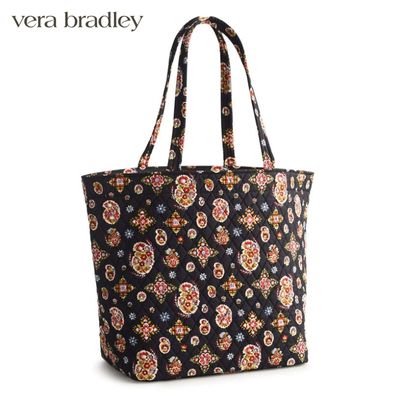
Color is the heartbeat of Vera Bradley. Each season introduces new prints that range from delicate florals to energetic geometric shapes. Designers study art, nature, and vintage textiles to create combinations that feel fresh yet comforting. The patterns often carry stories—some are inspired by summer gardens, others by coastal vacations or historic tapestries. This storytelling element allows customers to choose designs that match their moods.

Beyond aesthetics, the construction of the products reflects careful planning. Quilted cotton provides structure without stiffness, making the bags comfortable to carry all day. Interiors feature multiple pockets, key clips, and bright linings that help organize busy lives. The brand understands that beauty must work hand in hand with function. This philosophy explains why many people remain loyal for years, replacing worn pieces with new prints rather than switching brands.


3. Growing Into a Full Lifestyle Collection

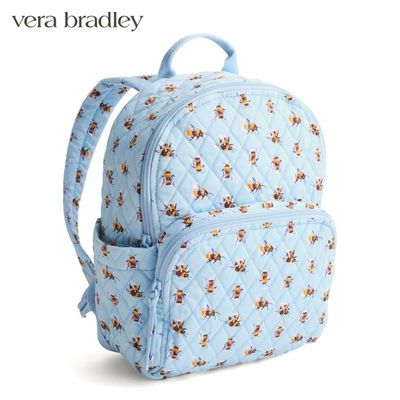
What began with a handful of handbags has evolved into a diverse range of products. Backpacks became essential for students who wanted durability and style on campus. Travel collections introduced rolling luggage, garment bags, and packing cubes that simplified long journeys. Small accessories such as wallets, eyeglass cases, and cosmetic pouches allowed fans to enjoy the brand at accessible price points.

In recent years, Vera Bradley expanded into home décor, sleepwear, and tech accessories. These categories show how the signature aesthetic can move beyond fashion into everyday living. A patterned blanket on a sofa or a cheerful notebook on a desk brings the same sense of optimism as a handbag. By carefully selecting new areas, the company created a cohesive lifestyle universe rather than unrelated merchandise.


4. Heartfelt Commitment to Causes and People

One of the strongest pillars of the brand is its dedication to giving back. The Vera Bradley Foundation for Breast Cancer has funded significant research initiatives and community programs. Special product lines donate a portion of sales to the cause, allowing customers to contribute simply by choosing items they love. Many shoppers have personal connections to breast cancer and feel supported by the company’s ongoing efforts.

Employee culture and customer relationships are equally important. Vera Bradley frequently highlights the stories of team members, artisans, and long-time fans. Store events, online communities, and social media conversations create a friendly environment rather than a distant corporate image. This emphasis on people helps the brand maintain authenticity in an era when consumers look for values as much as products.


5. Everyday Versatility and Styling Ideas

Although the prints are bold, Vera Bradley pieces are surprisingly easy to incorporate into daily wardrobes. A patterned tote can become the focal point of a simple outfit, while a small crossbody adds color to weekend wear. Because each design contains several shades, the accessories coordinate with many clothing choices. Fans often mix different prints, embracing a playful approach to fashion.

Functionality enhances this versatility. Parents appreciate roomy diaper bags with washable interiors. Teachers and nurses rely on lightweight totes that hold supplies without straining shoulders. Travelers enjoy duffels that slide over suitcase handles and keep essentials within reach. The brand designs for real scenarios rather than runway fantasies, which is why the products adapt to so many stages of life.


6. Innovation Shaping the Next Chapter

To remain relevant, Vera Bradley continues to evolve with changing consumer needs. Sustainable materials such as recycled polyester are appearing more frequently, reflecting growing environmental awareness. New silhouettes—including belt bags, slim work totes, and minimalist leather pieces—attract younger audiences while respecting the classic identity. Digital platforms allow customers to preview prints, personalize selections, and connect with fellow enthusiasts.

The challenge ahead is maintaining the warmth that defined the company’s beginnings while embracing modern technology and trends. So far the balance has been successful. By treating innovation as an extension of its core values rather than a replacement, Vera Bradley demonstrates that heritage and progress can coexist beautifully.


Conclusion

Vera Bradley’s enduring appeal lies in its ability to make ordinary moments brighter. The brand grew from a simple observation into a global community united by color and kindness. Its products accompany people through the first days of school, demanding careers, family trips, and quiet evenings at home. More than accessories, they become companions that carry stories. As fashion continues to change, Vera Bradley reminds us that style can be joyful, practical, and compassionate all at once. For anyone seeking items that blend function with feeling, the world of Vera Bradley remains a welcoming and vibrant destination.

Vera Bradley: A Celebration of Color, Craft, and Everyday Function

0

Vera Bradley is more than a familiar label on a handbag; it is a brand that has shaped the way many people experience everyday accessories. Recognized for vibrant prints and soft quilted textures, the company transformed ordinary bags into expressions of personality. For decades, Vera Bradley has walked the line between fashion and function, proving that practical items do not need to be boring. From busy mothers to college students and frequent travelers, millions have found pieces that fit their routines. This blog explores the roots of the brand, its design philosophy, and the reasons it continues to thrive in a competitive fashion world.


1. Humble Beginnings with a Bright Idea

The origin of Vera Bradley reads like a classic entrepreneurial story. In 1982, friends Barbara Bradley Baekgaard and Patricia Miller were waiting in an airport when they noticed that most luggage looked dark and uninspired. They imagined accessories that felt cheerful and feminine, something that could make travel more enjoyable. With a small investment and a lot of determination, the two women began sewing quilted cotton bags and selling them to local stores.

The name Vera Bradley honored Barbara’s mother, reflecting the family-centered spirit behind the company. Early customers were drawn to the lightweight feel and unique patterns, and demand grew faster than expected. The founders personally visited retailers, listening to feedback and adjusting designs. This close connection with shoppers helped the brand develop products that solved real problems while still looking beautiful.


2. Design Philosophy: Where Beauty Meets Purpose

At the heart of Vera Bradley lies a commitment to thoughtful design. Every bag is created to be used, not simply admired on a shelf. The quilted fabric provides gentle structure, protecting belongings without adding heaviness. Interiors are often lined with contrasting colors so keys, phones, and cosmetics are easy to spot. Multiple pockets and comfortable straps show an understanding of daily life.

The prints are equally intentional. Designers draw inspiration from nature, vintage textiles, and global travel to craft patterns that feel optimistic. Color combinations are tested carefully to ensure they remain appealing season after season. While trends come and go, Vera Bradley maintains a recognizable identity that balances modern style with a touch of nostalgia. This consistency builds trust among customers who know what to expect from the brand.


3. Expanding Beyond the Classic Handbag

Although handbags launched the company, Vera Bradley gradually entered many other categories. Backpacks became popular with students who wanted durability without sacrificing personality. The travel line introduced rolling suitcases, duffels, and packing organizers that made long trips easier. Wallets, wristlets, and cosmetic cases offered smaller ways to enjoy the signature prints.

The brand also moved into lifestyle products such as blankets, stationery, eyewear, and fragrances. These additions allowed fans to surround themselves with the cheerful aesthetic at home and on the go. Each new category followed the same rule: combine color with usefulness. By diversifying carefully, Vera Bradley avoided becoming a passing trend and instead evolved into a full lifestyle label.


4. A Community Built on Giving Back

One of the most meaningful aspects of Vera Bradley is its dedication to social causes. The Vera Bradley Foundation for Breast Cancer has raised significant funds for research and treatment, turning the brand into a force for good. Special edition products and annual fundraising events invite customers to participate in this mission. Many shoppers feel that buying a bag is also a way of supporting families affected by the disease.

Community involvement extends beyond charity. The company often highlights stories of artisans, employees, and loyal customers, creating a sense of belonging. Stores host local events, and online platforms encourage fans to share how they use their favorite pieces. This human approach distinguishes Vera Bradley from brands that focus solely on sales figures.


5. Practical Style for Modern Lifestyles

Vera Bradley items succeed because they fit real routines. The lightweight materials are comfortable for long days, and many pieces are machine washable, a feature busy families appreciate. Travelers enjoy the organized compartments that keep passports, chargers, and toiletries within reach. Professionals rely on structured totes that hold laptops without feeling bulky.

Styling the prints is easier than it appears. A single patterned accessory can brighten neutral clothing, while matching sets create a coordinated look. The variety of sizes—from small crossbodies to oversized weekender bags—allows people to choose according to their needs. Rather than dictating strict fashion rules, the brand encourages personal expression and confidence.


6. Looking Ahead: Innovation with Tradition

As the fashion industry changes, Vera Bradley continues to adapt. New collections incorporate recycled materials and more sustainable manufacturing practices. Digital shopping experiences, customization options, and collaborations with artists keep the brand fresh for younger audiences. At the same time, classic quilted cotton pieces remain available for long-time fans.

The challenge for the future is balancing innovation with the warmth that made the company successful. Early signs suggest Vera Bradley is meeting this challenge by listening to customers and honoring its roots. By staying true to its values of color, comfort, and community, the brand is likely to remain relevant for many years.


Conclusion

Vera Bradley’s journey shows how a simple idea can brighten everyday life. What began as two friends dreaming of prettier luggage became a global symbol of cheerful practicality. The brand’s commitment to thoughtful design, social responsibility, and genuine connection has earned deep loyalty across generations. In a marketplace crowded with fast trends, Vera Bradley stands out by offering products that feel personal and dependable. Whether carried on the first day of school or a long-awaited vacation, a Vera Bradley piece often becomes part of cherished memories, proving that fashion can touch the heart as well as the eye.