
A guitar is more than a musical instrument. For many players, it is a creative partner, a personal project, and an important part of everyday life. Whether you play acoustic guitar, electric guitar, bass, or another stringed instrument, regular care can help you enjoy better comfort, reliable performance, and a more personal playing experience.
Some guitarists prefer to focus only on playing, while others enjoy learning how instruments are built, repaired, modified, and maintained. Small projects such as changing strings, adjusting action, cleaning the fretboard, replacing hardware, or improving electronics can become rewarding skills over time. More advanced players and luthiers may also explore guitar building, finishing, fretwork, wiring, and custom instrument design.
StewMac offers tools, parts, supplies, kits, tonewoods, electronics, accessories, and educational resources for guitar building and repair. The company was founded in 1968 and has developed products for musicians, repair professionals, builders, and curious beginners. Its range covers everything from basic maintenance tools to specialized equipment for detailed luthier work.
The most useful way to approach guitar care is to begin with simple tasks, understand the tools required, and gradually develop confidence. With the right preparation, even complicated-looking projects can become easier to understand.
Understand Your Guitar Before Starting a Project
Before changing or repairing anything, take time to understand the instrument you are working on. Guitars may look similar, but their construction, hardware, neck design, electronics, and setup requirements can vary considerably.
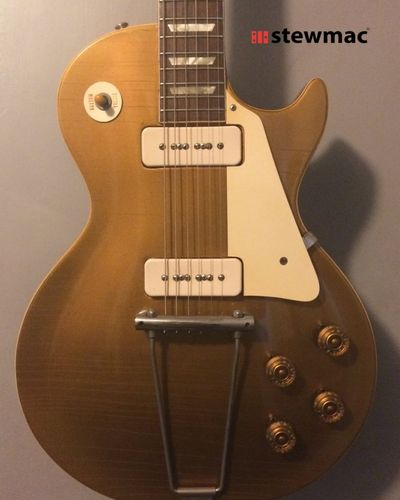
Start by identifying the type of guitar and its main components. Learn where the bridge, nut, tuning machines, truss rod, pickups, controls, fretboard, and saddle are located. Understanding these parts will help you choose the right tools and avoid unnecessary adjustments.
It is also useful to observe how the guitar currently feels and sounds. Check whether the strings are difficult to press, whether the notes buzz, whether the tuning remains stable, or whether the electronics produce unwanted noise. These details can help you identify the kind of maintenance that may be required.
Take photographs before removing parts. Pictures can act as a reference when reinstalling screws, wiring, bridges, pickguards, or other components. You should also keep small parts in a tray or labeled container so that nothing is lost during the project.
StewMac provides educational resources covering topics such as scale length, string action, pickup wiring, neck setup, and guitar repair. Learning the basic terminology before beginning can make the entire process more manageable.
Choose Tools According to the Job
Using the correct tool is one of the most important parts of guitar maintenance. A tool that is too large, too small, or unsuitable for the task may damage the instrument or produce an inaccurate result.
For routine setup work, useful tools may include a string action gauge, precision straightedge, truss rod wrench, radius gauges, screwdriver set, and tuner. These tools can help with measuring and adjusting different parts of the instrument.
Fretwork requires even more precision. Files, fret rockers, leveling tools, fret presses, sanding materials, and specialized measuring equipment may be needed depending on the project. Nut and saddle work may require gauged files, sanders, rulers, and other tools designed for shaping and fitting.
StewMac organizes its tools by job, including fretting, finishing, gluing, sanding, electronics, bridges, nuts and saddles, truss rods, and maintenance. This makes it easier to search for equipment based on the specific task rather than choosing tools without understanding their purpose.
Beginners should avoid purchasing an entire professional workshop immediately. Start with tools for the projects you are most likely to complete. A small, reliable toolkit can be more useful than a large collection of equipment that you do not yet know how to use.
Explore Guitar Building With Kits and Components
Building a guitar from individual parts can be an exciting way to understand how an instrument works. It also allows you to make decisions about the body shape, neck, hardware, finish, electronics, and overall appearance.
For beginners, a guitar kit can provide a structured introduction to the building process. Kits may include major components while allowing the builder to complete tasks such as shaping, sanding, finishing, assembly, and setup. They can be useful for learning because the project has a clear sequence of steps.
More experienced builders may prefer to select individual parts. Tonewoods, bodies, necks, fingerboards, bridges, tuning machines, pickguards, knobs, screws, and other hardware can be combined to create a more customized instrument.
StewMac offers instrument kits for acoustic guitars, electric guitars, mandolins, violins, and other projects. Its tonewood selection includes acoustic tops, backs and sides, electric body blanks, fingerboards, necks, braces, blocks, and other wood components.
Planning is essential when building an instrument. Before purchasing parts, check that the measurements, scale length, neck joint, bridge position, hardware dimensions, and electronics are compatible. A beautiful collection of individual parts will not create a successful instrument if the components do not fit together correctly.
Improve Playability Through Careful Setup Work
A guitar setup focuses on making the instrument comfortable to play and ensuring that its components work together properly. Setup work may include adjusting string height, checking neck relief, inspecting the nut, setting intonation, and examining the condition of the frets.
String action is one of the most noticeable setup factors. If the strings are too high, the guitar may feel difficult to play. If they are too low, unwanted buzzing may occur. The correct setting depends on the instrument, playing style, string gauge, and personal preference.
Neck relief is another important consideration. The neck should have an appropriate amount of curvature for the guitar and its strings. Truss rod adjustments should be made carefully and gradually, using the correct wrench and following reliable instructions.
Fret condition can also affect playability. Uneven, worn, or damaged frets may create buzzing or uncomfortable notes. Fretwork can involve leveling, crowning, polishing, and checking the result with accurate measuring tools.
StewMac offers tools such as string action gauges, precision straightedges, fret rockers, fret files, radius gauges, and truss rod wrench sets. These tools are designed to support accurate setup and repair work.
If you are new to guitar maintenance, begin with measuring and cleaning before attempting complex adjustments. When a project involves major neck, fret, or structural work, consider seeking guidance from an experienced technician.
Maintain Hardware, Electronics, and Finishes
Regular cleaning and maintenance can help preserve the appearance and performance of a guitar. Dust, sweat, moisture, and frequent handling can affect strings, hardware, fretboards, finishes, and electronic components.
Start by using suitable cleaning products for the guitar’s finish. Different finishes may require different methods, so avoid applying a product without checking whether it is appropriate for the instrument. Use soft cloths and follow the manufacturer’s care instructions.
The fretboard may also need occasional attention. Rosewood, ebony, maple, and other materials can have different care requirements. Avoid excessive moisture and do not apply oils or cleaners unless they are suitable for the specific surface.
Hardware should be checked for loose screws, worn parts, and signs of corrosion. Tuning machines, bridges, strap buttons, jacks, and control knobs can affect the reliability of the instrument. Replacing a damaged or worn component may be easier than continuing to use it in poor condition.
Electronics require additional care. Scratchy pots, noisy switches, loose jacks, and faulty wiring can affect the sound of an electric guitar. Soldering and wiring projects should be completed carefully, with the instrument disconnected from power and the correct tools available.
StewMac provides electronics, pickups, wiring kits, soldering supplies, contact cleaners, shielding materials, and replacement hardware for musicians and repair professionals.
Develop Your Skills Through Practice and Learning
Guitar repair and building are practical skills that improve through patience and repeated practice. Mistakes are possible, especially when working with wood, finishes, frets, or electronics, so it is wise to begin with low-risk projects.
You can start by changing strings, cleaning the instrument, checking action, organizing a tool kit, or replacing simple accessories. As your confidence grows, you may explore pickup installation, nut adjustment, fret polishing, bridge replacement, or basic finishing work.
Educational content can make a major difference. StewMac provides articles, videos, plans, guides, and instructional resources covering guitar construction, setup, repair, electronics, finishing, and lutherie techniques. These materials can help you understand not only what to do but also why a particular step matters.
Keep notes about every project. Record the tools used, measurements taken, problems discovered, and changes made. This creates a personal reference library that can be useful when working on the same instrument again.
It is also helpful to build a workspace that supports careful work. Good lighting, a stable bench, protective padding, organized tools, and enough room to place components safely can prevent many avoidable mistakes.
StewMac’s product range includes workstations, neck rests, bench pads, parts trays, clamps, measuring tools, and specialized jigs designed to make guitar projects more controlled and comfortable.
A successful guitar project does not always mean creating a completely new instrument or performing a complicated repair. Sometimes it means making a small improvement that helps you play more comfortably or understand your instrument more deeply.
With reliable tools, suitable parts, clear instructions, and regular practice, guitar maintenance can become an enjoyable part of being a musician. StewMac brings together equipment and learning resources for beginners, experienced players, repair technicians, and builders who want to explore the craft more seriously.